
Summer is the perfect time for family vacations, lake days, beach trips, and outdoor adventures. While these activities can be enjoyable for pets, they also come with unique risks that every pet owner should understand. From heat-related illnesses to water hazards and travel emergencies, practicing good summer pet safety can help keep your dog or cat healthy all season long.
At the Veterinary Emergency Clinic of Central Florida (VEC), we frequently treat pets experiencing heatstroke, dehydration, water-related accidents, and travel injuries during the summer months. Knowing how to prepare before you leave home can help prevent emergencies and ensure your pet stays safe wherever your adventures take you.
Understanding Summer Risks for Pets
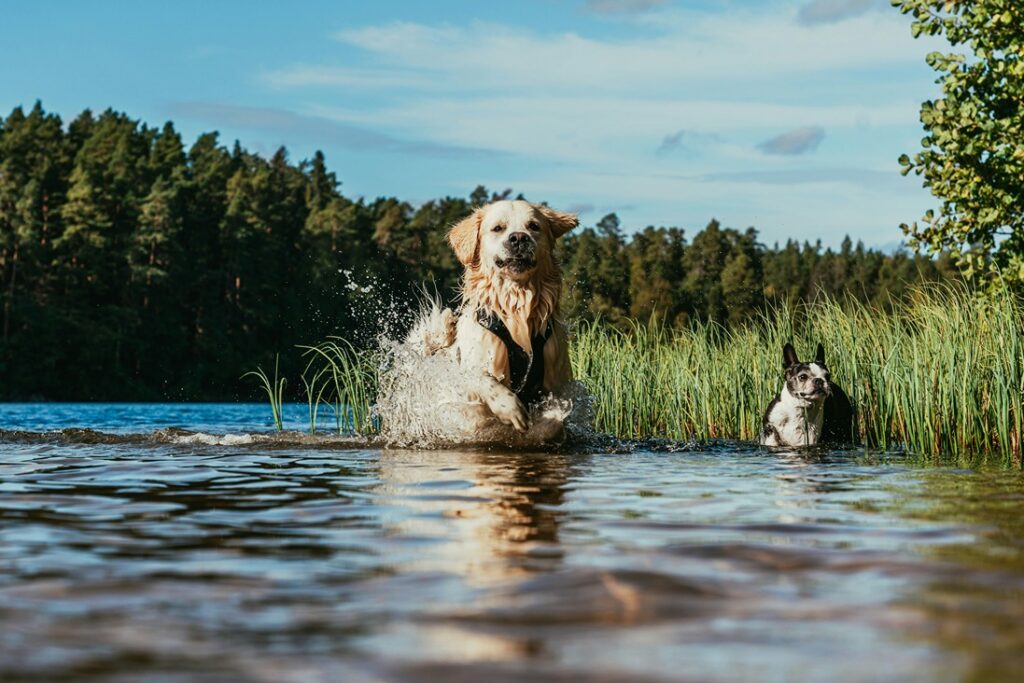
Many pet owners assume that if they are comfortable outdoors, their pets are too. Unfortunately, dogs and cats regulate body temperature differently from humans and can become overheated much more quickly.
Many summer dangers are easy to overlook. High temperatures, hot pavement, dehydration, and prolonged sun exposure can all affect pets more quickly than many owners realize. Swimming and boating activities introduce additional risks, while road trips and long hours in the car can create travel-related stress and increase the likelihood of heat-related emergencies.
Taking simple precautions can dramatically reduce the risk of injury or illness.
Water Safety for Dogs
Many dogs love swimming, but not every dog is a natural swimmer. Practicing proper water safety for dogs is essential whether you’re visiting a pool, lake, river, or beach.
Not All Dogs Swim Well
Some breeds are naturally better swimmers than others. Dogs with short legs, large chests, or flat faces may struggle in the water.
Dogs with short legs, large chests, or flat faces often have a more difficult time swimming. Breeds such as Bulldogs, Pugs, Boxers, Dachshunds, and Basset Hounds may tire more quickly in the water and should be closely supervised, even when swimming in calm conditions. Even strong swimmers can become tired unexpectedly.
Consider a Life Jacket
Pet life jackets can provide an added layer of protection, especially when boating or swimming in unfamiliar areas.
A properly fitted life jacket can provide valuable support for puppies, senior dogs, pets with medical conditions, and first-time swimmers. They are especially helpful when boating or swimming in lakes, rivers, or other open-water environments where conditions can change unexpectedly. A properly fitted life jacket can help prevent panic and exhaustion.
Watch for Dangerous Water Conditions
Natural bodies of water often contain hidden hazards.
Potential risks include:
- Strong currents
- Sudden drop-offs
- Sharp rocks
- Fishing hooks
- Boat traffic
- Harmful algae blooms
Blue-green algae can be especially dangerous and may be toxic if ingested. If the water appears discolored, has a strong odor, or local advisories are posted, keep pets away.
Summer Travel Safety for Pets
Whether you’re taking a weekend road trip or a longer vacation, proper planning is an important part of summer travel safety for pets.
Never Leave Pets in a Parked Vehicle
Even on relatively mild days, temperatures inside a vehicle can rise rapidly. A car’s interior can become dangerously hot within minutes, putting pets at risk for:
- Heatstroke
- Organ failure
- Death
Cracking the windows provides very little protection. If you cannot bring your pet inside, it’s safest to leave them at home.
Secure Pets During Travel
Loose pets can become injured during sudden stops or accidents.
Pets should always be properly restrained while traveling. Crates, travel carriers, pet seat belt systems, and vehicle barriers can help protect pets during sudden stops or accidents while also reducing distractions for the driver. Keeping pets restrained also reduces driver distractions.
Bring Essential Supplies
Before traveling, pack:
- Fresh water
- Food
- Medications
- Leash and collar
- Waste bags
- Medical records
- Emergency contact information
Having supplies readily available can prevent unnecessary stress during your trip.

Preventing Heat-Related Emergencies
One of the most common summer emergencies veterinarians see is heatstroke.
Signs of Heat Exhaustion in Pets
Early warning signs may include:
- Excessive panting
- Drooling
- Lethargy
- Weakness
- Bright red gums
- Increased heart rate
As conditions worsen, pets may experience:
- Vomiting
- Diarrhea
- Collapse
- Seizures
- Loss of consciousness
Heatstroke is a medical emergency that requires immediate veterinary care.
Protect Pets from Extreme Temperatures
One of the best ways to prevent overheating is to plan outdoor activities carefully. Walk your dog during the cooler morning or evening hours, provide access to shade whenever possible, and make sure fresh water is always available. During periods of extreme heat, limit strenuous exercise and allow your pet to take frequent breaks to cool down. A good rule of thumb is that if the pavement feels too hot for your hand, it is too hot for your pet’s paws.
Hydration Matters
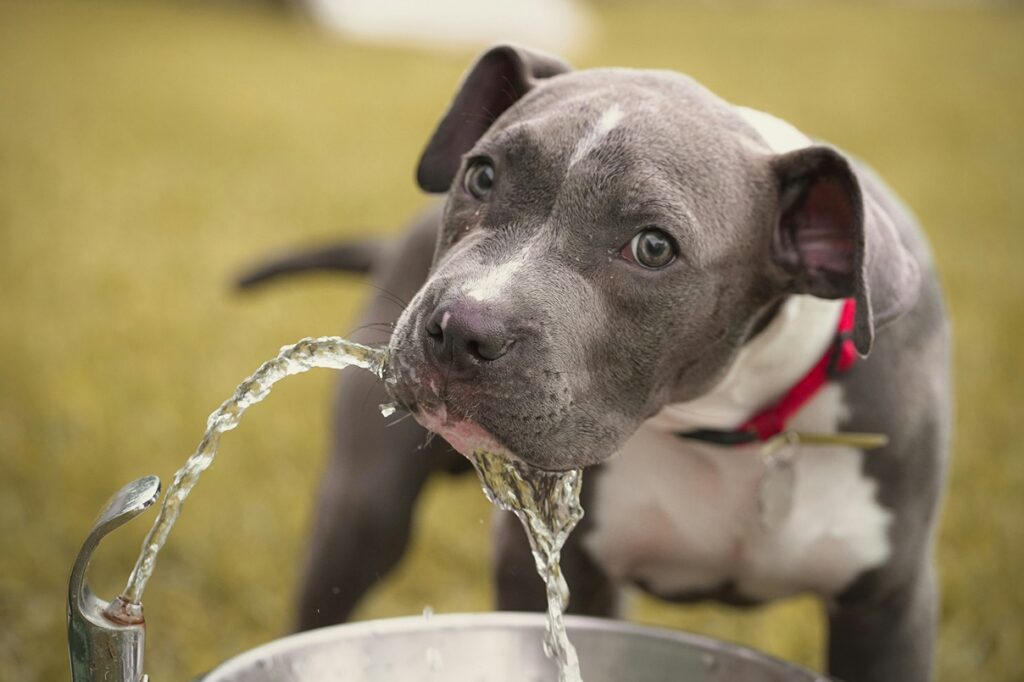
Proper hydration is a critical component of summer pet safety. Pets can lose fluids quickly through panting, exercise, and heat exposure.
Signs of dehydration may include:
- Dry gums
- Sunken eyes
- Excessive panting
- Weakness
- Reduced skin elasticity
Encourage pets to drink regularly and bring extra water whenever traveling. For dogs that are reluctant to drink during outings, collapsible travel bowls can be helpful.
Beach and Pool Safety Tips
While pools and beaches can be fun, they present additional concerns.
Rinse Off After Swimming
Saltwater, chlorine, and sand can irritate a pet’s skin and coat.
After swimming:
- Rinse your pet thoroughly
- Dry their ears
- Check for skin irritation
- Remove sand from paws
Prevent Water Intoxication
Although uncommon, dogs can ingest excessive amounts of water while swimming or playing with sprinklers.
Symptoms may include:
- Vomiting
- Bloating
- Stumbling
- Lethargy
If these signs occur after water play, veterinary evaluation is recommended.
When Is Summer Fun an Emergency?
Seek emergency veterinary care immediately if your pet experiences:
- Collapse
- Difficulty breathing
- Severe lethargy
- Heatstroke symptoms
- Near-drowning incidents
- Repeated vomiting
- Signs of dehydration
- Seizures
Prompt treatment can significantly improve outcomes during summer emergencies. At VEC, our experienced emergency veterinary teams are available to evaluate pets experiencing heat-related illnesses, water accidents, and travel-related emergencies throughout Central Florida.
Additional Resources for Pet Owners
Pet owners may also find these VEC resources helpful:
- Emergency signs that require immediate veterinary attention
- Understanding dehydration in dogs
- What to do if your pet is overheating
These resources can help you recognize warning signs and act quickly in emergencies.
Keep Summer Safe and Enjoyable for Your Pet
Summer adventures create lasting memories, but they also require careful preparation. Practicing proper summer pet safety, following water safety guidelines for dogs, and planning ahead for travel can help prevent many common emergencies.
At the Veterinary Emergency Clinic of Central Florida, we understand how quickly accidents can happen during outdoor activities. Since 1975, our emergency veterinary teams have been dedicated to providing compassionate, expert care for pets throughout Central Florida when they need it most.
To learn more about protecting your pet during warm weather, explore our resources on emergency signs that require immediate veterinary attention, understanding dehydration in dogs, and what to do if your pet is overheating. If your pet experiences a summer-related emergency, contact VEC Online or visit one of our Central Florida emergency clinic locations for immediate evaluation and treatment.