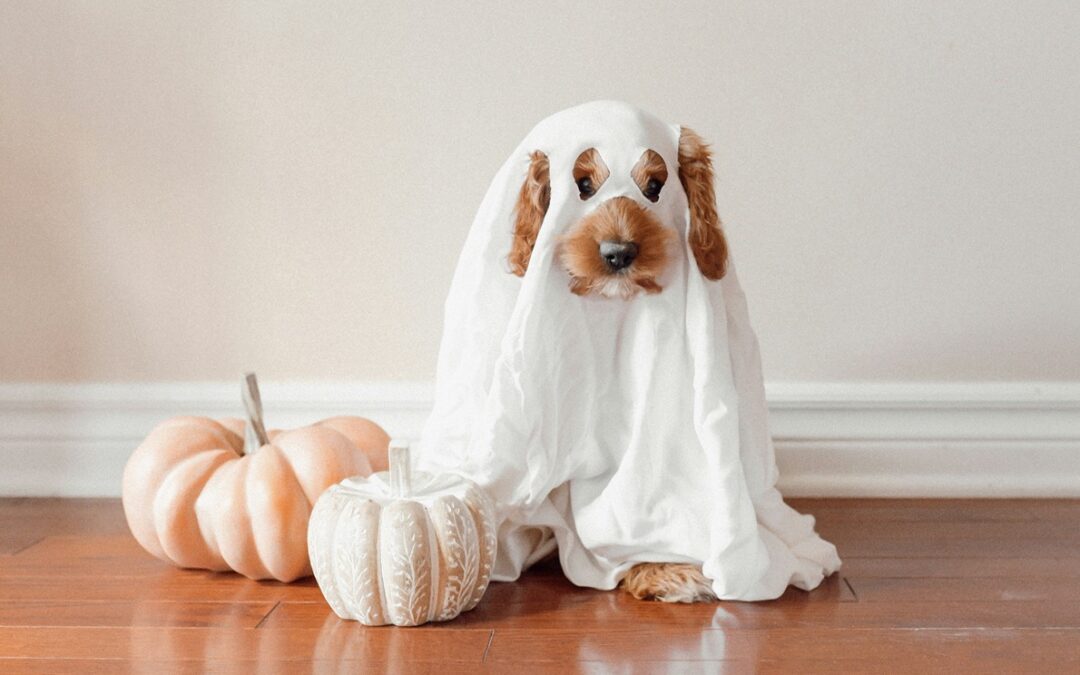
Halloween is full of costumes, decorations, and, of course, plenty of candy. While the holiday can be fun for the entire family, bowls of candy and seasonal treats can create unexpected dangers for dogs and cats. Practicing Halloween pet safety means knowing which foods to keep out of your pet’s reach and which pet-friendly alternatives let them join the celebration safely.
At VEC Online, our emergency veterinarians across Central Florida know how quickly an unattended candy bowl or dropped treat can become a pet emergency. Before the trick-or-treaters arrive, take a few minutes to learn which Halloween treats are dangerous for pets, what they can safely enjoy, and what to do if your pet eats something they shouldn’t.
Halloween Candy and Pets: What Should You Keep Out of Reach?
The simplest rule for Halloween candy and pets is to keep the two completely separate. Even candies that don’t contain an ingredient considered toxic to pets may contain large amounts of sugar and fat that can cause digestive upset.
Keep candy bowls on a high counter or inside a cabinet rather than on a coffee table or near the front door. Don’t forget about your children’s trick-or-treat bags, either. Dogs in particular may sniff out candy tucked inside backpacks, bedrooms, and other places you might assume are safe.
Candy wrappers can also cause problems. Foil, plastic, and cellophane can become choking hazards or cause gastrointestinal blockages if swallowed.
Toxic Foods for Pets to Watch for This Halloween
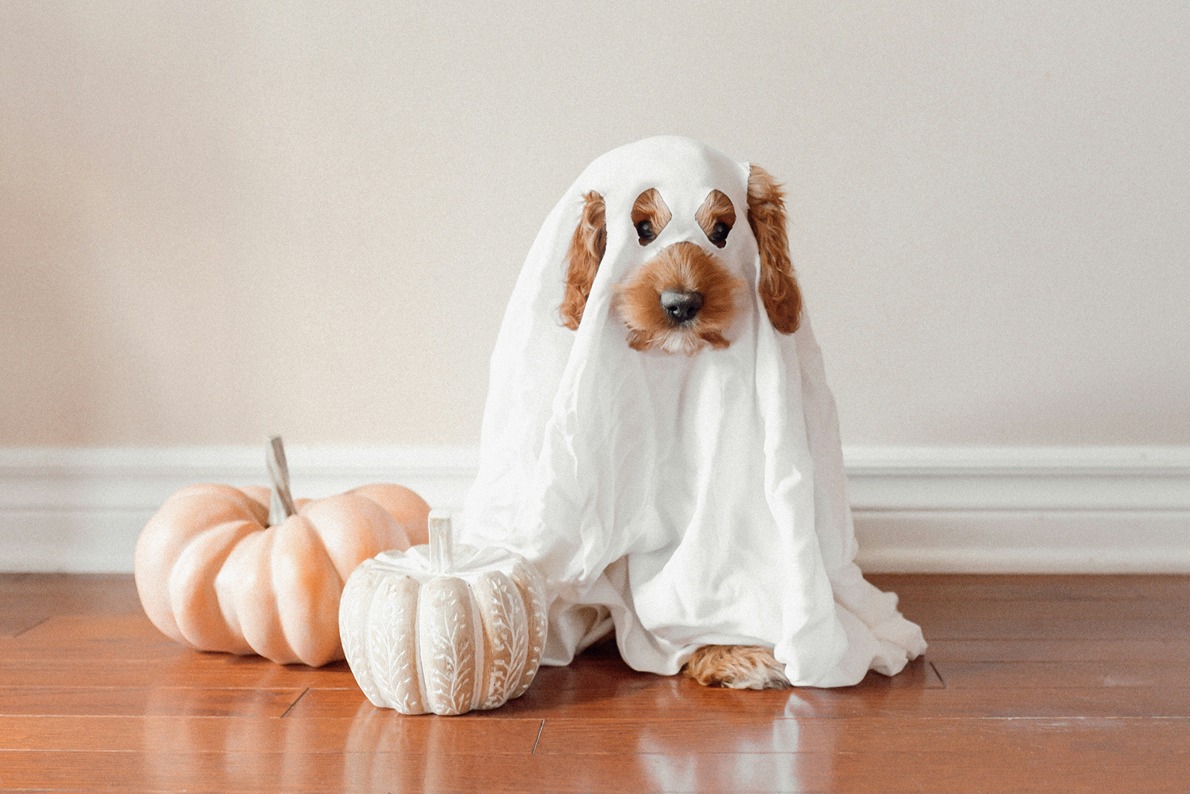
Some of the most common Halloween treats contain ingredients that can be dangerous or even life-threatening to pets. Keep an especially close eye out for the following.
Chocolate
Chocolate is one of the best-known toxic foods for pets, and Halloween brings plenty of it into the home.
Chocolate contains substances that dogs and cats cannot metabolize as effectively as humans. The risk depends on factors such as the type and amount of chocolate consumed and your pet’s size. Dark chocolate and baking chocolate generally pose a greater risk because they contain higher concentrations of the compounds responsible for chocolate toxicity.
Signs of chocolate toxicity may include vomiting, diarrhea, restlessness, increased thirst and urination, abnormal heart rhythms, tremors, or seizures.
Never assume that a small piece of chocolate is harmless. If your pet gets into chocolate, contact a veterinary professional and provide as much information as possible about the type and amount consumed.
Sugar-Free Candy and Xylitol
Sugar-free doesn’t mean pet-safe.
Some sugar-free candies, gums, mints, and other products contain xylitol, a sweetener that is particularly dangerous to dogs. Xylitol can cause a rapid and potentially dangerous drop in a dog’s blood sugar and may lead to seizures or liver damage.
Because formulations can vary, check the ingredient list whenever a dog has eaten a sugar-free product. If xylitol is listed, seek veterinary assistance immediately rather than waiting for symptoms to develop.
Raisins and Grapes
Raisins may occasionally appear in trail mixes, baked goods, or other treats alongside Halloween snacks. Grapes and raisins can cause serious kidney problems in dogs, so they should always be kept out of reach.
If your dog consumes grapes or raisins, contact a veterinary professional promptly.
Macadamia Nuts
Some cookies, chocolates and other sweets contain macadamia nuts, which can also be harmful to dogs. Ingestion may result in symptoms such as weakness, vomiting, and difficulty walking.
Because candy may contain several potentially harmful ingredients, keep the package or ingredient list on hand if you need to contact a veterinarian.
High-Fat and Sugary Foods
Not every Halloween food hazard involves poisoning. Foods that are especially fatty, sugary, or unfamiliar can still cause vomiting, diarrhea, and other gastrointestinal problems.
Rich foods can also contribute to more serious digestive issues in some pets. Instead of sharing your Halloween dessert, stick with treats specifically made for your dog or cat.
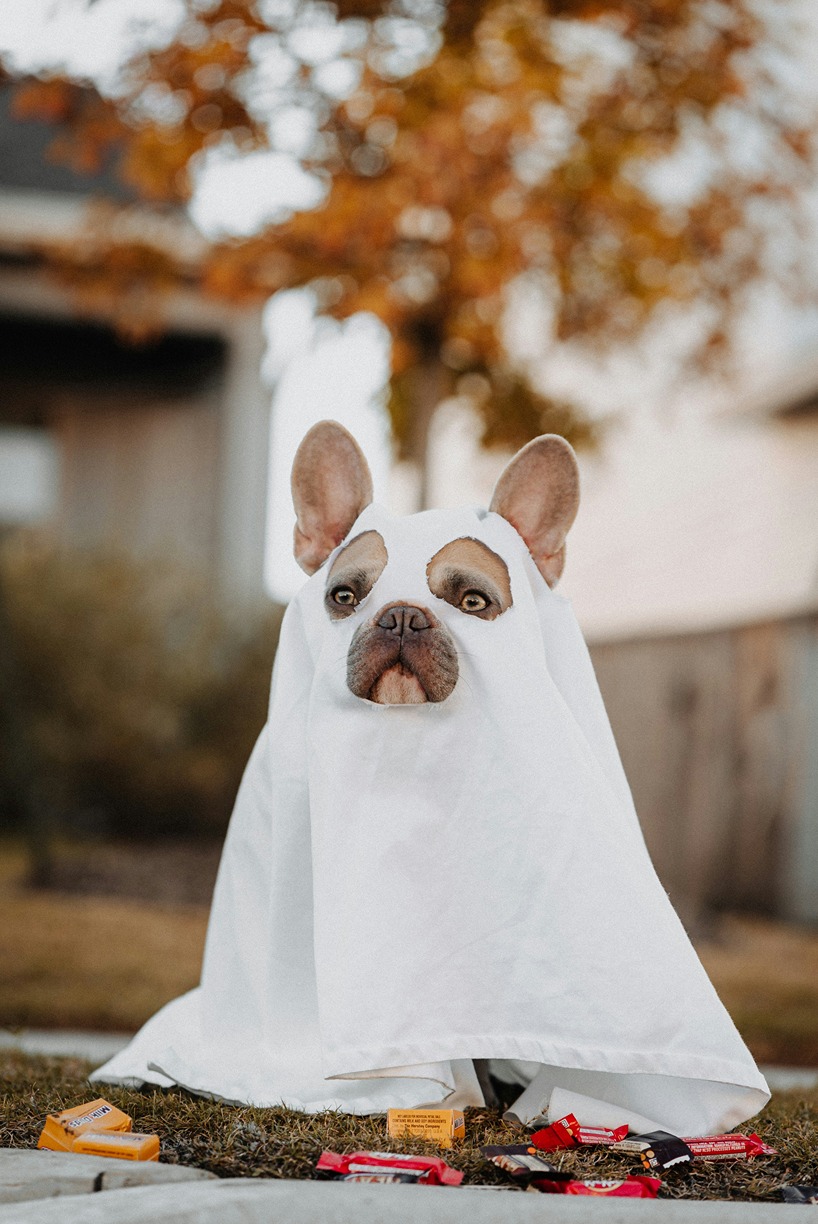
What Pet-Safe Halloween Treats Can Dogs and Cats Have?
Your pet doesn’t have to miss out on all the Halloween fun. There are plenty of pet-safe Halloween treats you can offer instead of candy.
For dogs, small portions of plain foods such as carrots, green beans, or plain cooked pumpkin can make festive alternatives, depending on your pet’s normal diet and health needs. You can also use your dog’s regular treats or kibble and turn snack time into a Halloween activity with a puzzle toy.
Cats are often less interested in fruits and vegetables, so a small amount of their usual favorite cat treat or plain, fully cooked, unseasoned meat may be a better choice.
Keep portions small and avoid introducing several unfamiliar foods at once. Even foods that aren’t toxic can cause stomach upset when eaten in large quantities.
When in doubt, commercially prepared treats made specifically for your pet are usually the simplest choice.
Don’t Forget About Candy Wrappers and Halloween Decorations
Good Halloween pet safety goes beyond the ingredients inside the candy bag.
Discard wrappers promptly and make sure children don’t leave candy, glow sticks, small toys, or costume accessories on the floor. Curious dogs and cats may chew or swallow items that smell like food or look interesting.
Halloween decorations can create additional hazards. Candles inside pumpkins may cause burns or fires if knocked over, while strings, fake spiderwebs, and small decorations can become choking or intestinal hazards.
Consider using battery-operated candles and keeping small decorations well above your pet’s reach.
Keep Pets Comfortable During Trick-or-Treating
Food isn’t the only concern on Halloween night. Repeated doorbells, unfamiliar visitors, and costumes can be overwhelming for some animals.
Consider creating a quiet space away from the front door with your pet’s bed, water, and favorite toys. This can reduce stress and prevent your dog or cat from slipping through an open door while you’re handing out candy.
Make sure your pet is wearing current identification, and keep dogs securely leashed if they’re joining the family outside.
What Should You Do If Your Pet Eats Halloween Candy?
If you find an empty candy bag, torn wrappers, or evidence that your pet has eaten something potentially harmful, don’t wait for symptoms to appear before asking for help.
First, determine what your pet may have eaten and approximately how much. Save wrappers, packages, or ingredient lists whenever possible. You’ll also want to know approximately when the ingestion occurred and how much your pet weighs.
Then contact your veterinarian, an emergency veterinary clinic, or a pet poison control service for guidance. The ASPCA recommends contacting a veterinary professional or its Animal Poison Control Center immediately when a pet may have ingested a toxic substance.
Do not attempt to make your pet vomit or give at-home treatments unless specifically instructed to do so by a veterinary professional.
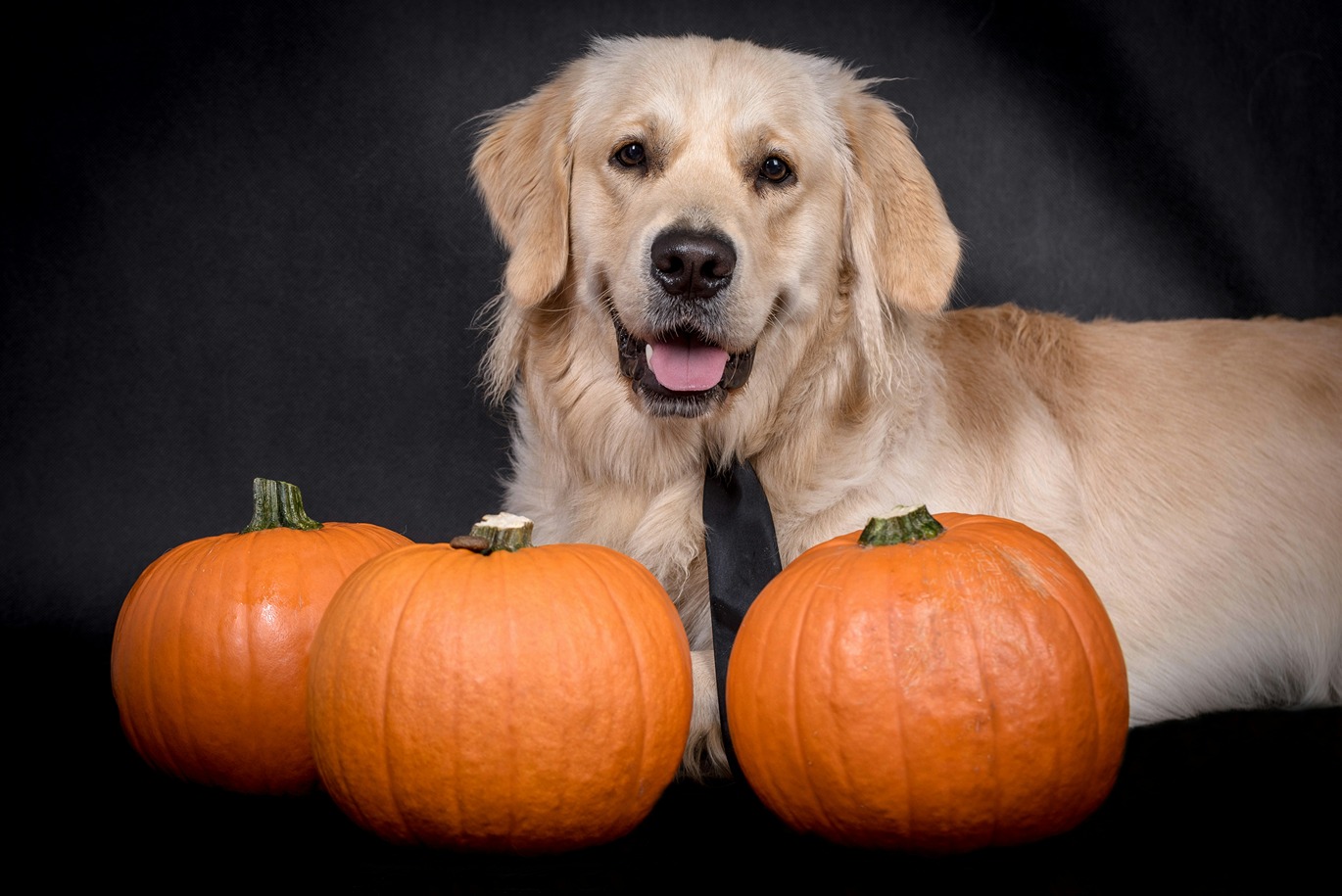
Celebrate Safely With These Halloween Pet Safety Tips
Halloween should be memorable for the costumes and fun, not for an unexpected trip to the emergency vet. Keeping candy securely stored, watching for ingredients such as chocolate and xylitol, disposing of wrappers, and offering pet-safe Halloween treats instead can help keep your dog or cat out of trouble.
Even with careful planning, accidents happen. If your pet eats Halloween candy or another potentially toxic food, acting quickly can make a difference.
At VEC Online, our emergency veterinarians throughout Central Florida are here to help when you aren’t sure whether your pet needs emergency care. If your pet gets into Halloween candy, chocolate or another potentially dangerous substance, contact VEC Online for guidance and help determining the next steps for your pet.